
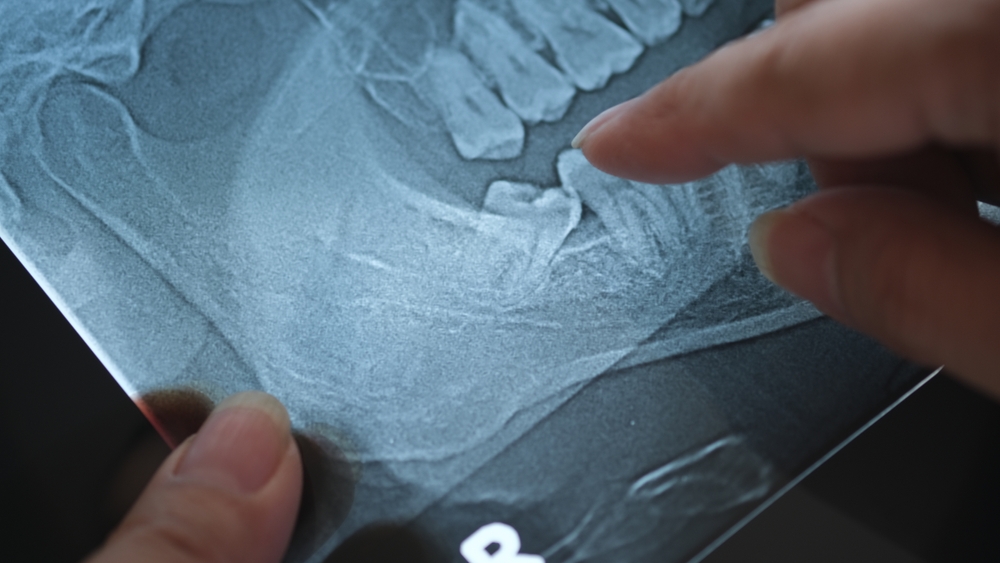
Wisdom tooth removal is a common dental procedure recommended when third molars do not have enough room to emerge properly or may cause future oral health concerns. Removing problematic wisdom teeth can help prevent infection, discomfort, crowding, and damage to surrounding teeth, supporting long-term oral health and comfort.
At Candlewood Dental Care, wisdom tooth evaluations are guided by the experience of Lorraine Burio, DMD, who has completed advanced dental training and maintains active memberships in nationally recognized dental and medical organizations. With decades of experience caring for patients in New Fairfield, Dr. Burio carefully assesses each case and coordinates referrals to trusted oral surgeons when wisdom tooth removal is recommended.
The Wisdom Tooth Removal Procedure
My Candlewood Dental refers Wisdom Tooth Extractions to a recommended oral surgeon.
An oral and maxillofacial surgeon or your dentist can remove a wisdom tooth. The procedure often can be done in the dentist’s or surgeon’s office. You may have the surgery in the hospital, especially if you are having all your wisdom teeth pulled at one time or if you are at high risk for complications.
If you have any infections, surgery will usually be delayed until the infection has cleared up. Your doctor or dentist may have you take antibiotics to help heal the infection.
To remove the wisdom tooth, your dentist will open up the gum tissue over the tooth and take out any bone that is covering the tooth. He or she will separate the tissue connecting the tooth to the bone and then remove the tooth. Sometimes the dentist will cut the tooth into smaller pieces to make it easier to remove.
After the tooth is removed, you may need stitches. Some stitches dissolve over time and some have to be removed after a few days. Your dentist will tell you whether your stitches need to be removed. A folded cotton gauze pad placed over the wound will help stop the bleeding.
In simple terms, wisdom tooth removal involves taking out one or more back teeth that may not be coming in correctly. These teeth can grow at awkward angles, become trapped beneath the gums, or be difficult to keep clean, increasing the risk of pain and infection. Removing wisdom teeth before complications develop can help protect nearby teeth and support overall oral health.
What To Expect After Wisdom Tooth Removal Surgery
In most cases, the recovery period lasts only a few days. Take painkillers as prescribed by your dentist or oral surgeon. The following tips will help speed your recovery.
Why It Is Done
A wisdom tooth is extracted to correct an actual problem or to prevent problems that may come up in the future. When wisdom teeth come in, a number of problems can occur:
How Well It Works
Wisdom tooth removal is effective in preventing:
Wisdom Tooth Removal in Danbury & New Fairfield, CT
Wisdom tooth removal can play an important role in protecting your long-term oral health and preventing future discomfort or complications. With careful evaluation and coordination of care, patients can feel confident knowing their treatment plan is designed with their comfort, safety, and overall wellness in mind. To learn more about wisdom tooth evaluations or to schedule a consultation, call 203-746-1200 to reach out to our team today. Our practice proudly serves patients throughout Danbury and New Fairfield, CT.